

What can you do to prepare for a 7- 13 day Canoe Trip
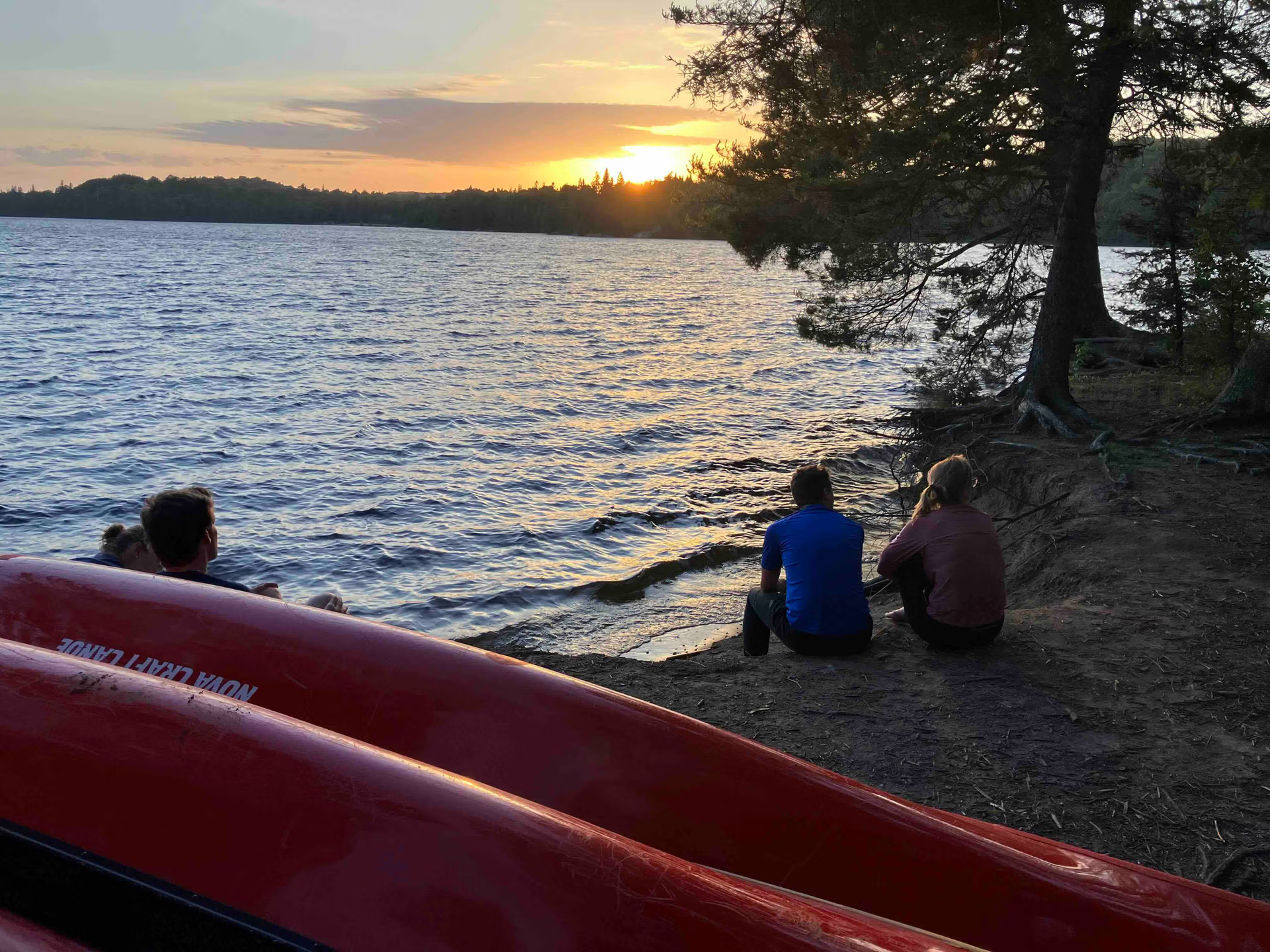
Five weeks out is the sweet spot. Close enough that a canoe trip feels real, far enough out that you can still do something about it. If you’re heading out on one of our August departures — the 7-Day Best of the Northwest, the 7-Day Petawawa Whitewater, or the full 13-Day Crossing Algonquin — here’s what’s actually worth doing between now and arriving at our base at Access Point #1.
You don’t need to be an athlete.
Our canoe trips are built to be participatory, not punishing. The flatwater week asks for comfort being active at a walking pace for up to four hours a day; the whitewater week, up to six. That’s well within reach for most healthy adults — but “within reach” still rewards a bit of preparation. The single best thing you can do in the next five weeks isn’t a gym program. It’s about getting your body used to being on its feet outside for a few hours at a stretch. A couple of long walks a week. A hike with a loaded pack, if you’ve got one. Nothing exotic — just time on your feet.
If you can, get in a canoe before you go on a canoe trip.
You don’t need to be an expert paddler to join us — our guides teach the skills throughout the trip — but a single practice outing on a local lake does two things: it works muscles a treadmill won’t touch, and it tells you, ahead of time, how your body feels after a few hours of paddling. That’s useful information five weeks out. It’s less useful information on day one of a thirteen-day trip. Getting used to kneeling with your ankles bent under the seat can take some time.
Portaging is the part people obsess over.
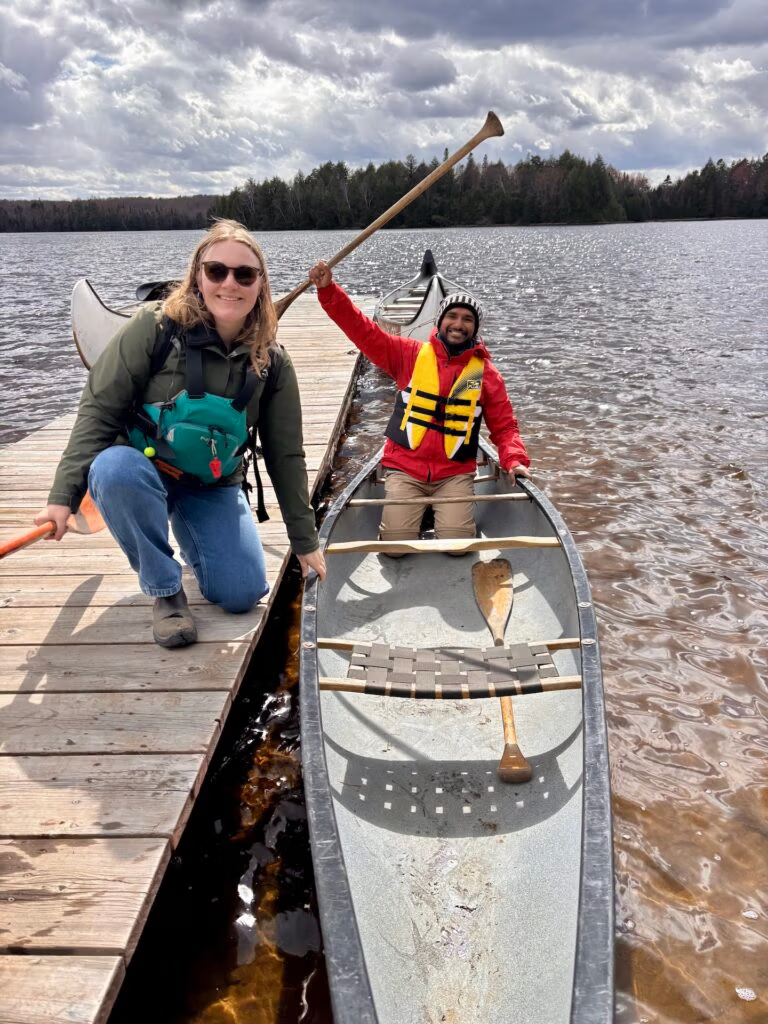
Somewhere along the way, canoe trips started getting talked about as “portage trips,” like the carrying is the main event. It isn’t. You’ll spend far more time paddling, fishing, swimming, and sitting around a fire than you ever will with a canoe on your shoulders. Portaging is real, and on these longer trips, there are some longer ones — but it’s a small slice of the day, not the trip’s defining feature!

Pack your personal gear early, not the night before.
We provide the tents, canoes, food, and cooking equipment — you’re responsible for personal items: clothing, toiletries, and a sleeping bag if you’re not renting one. A full packing list goes out after booking. Make sure you have a good raincoat, a reliable headlamp, and a warm fleece or wool sweater. I like a toque for the cool mornings. We issue dry bags and canoe packs, so don’t worry about what bag or suitcase you bring your clothes in. Bring a small day pack for the easy-to-get items during the day, like a camera, raincoat, and water bottle. Make sure you have a waterproof cover for your camera or phone.
Bring a solid trail shoe for the day
Bring 2 pairs of shoes. One will get wet. This “daytime” shoe is what you wear portaging. Make sure this shoe has decent support for carrying packs and canoes. The second pair of shoes is your “nighttime” or ‘campsite” shoes, which can be lighter. “Crocs” or old running shoes work here.
Read up on Algonquin Park, Wildlife, and Canoe Trip Expeditions
Get pumped up by reading some great canoe trip or Algonquin stories. One of my favourites is Northern Light, a story about Tom Thomson’s tragic death, by Roy MacGregor. Bring a book for nighttime on the trail.
You are now all set
Once you’re on the water, the trip does the rest of the work for you — the rhythm of paddle, portage, camp, repeat is just around the corner. The five weeks between now and departure aren’t about becoming a different person. They’re just about making the first day or two a little easier, so you can get to the good part faster.
Heading out on one of our August trips?
See the full lineup of 2026 Algonquin canoe trips or check your packing list against what to bring.
FAQ
Do I need canoeing experience for the 7-day trip?
No — the Best of the Northwest trip requires no prior experience. The whitewater and 13-day trips recommend some canoe or camping experience.
What fitness level do I need for a multi-day Algonquin Park canoe trip?
Comfort being active at a walking pace for up to four hours a day (flatwater trips) or six hours a day (whitewater trips) is recommended. No athletic background required.
Can I rent a sleeping bag instead of bringing my own?
Yes — sleeping bags are available to rent for a small fee, and our outfitting store can supply anything else you need or have forgotten.